
Meet some of the animals
Meet the Team
-
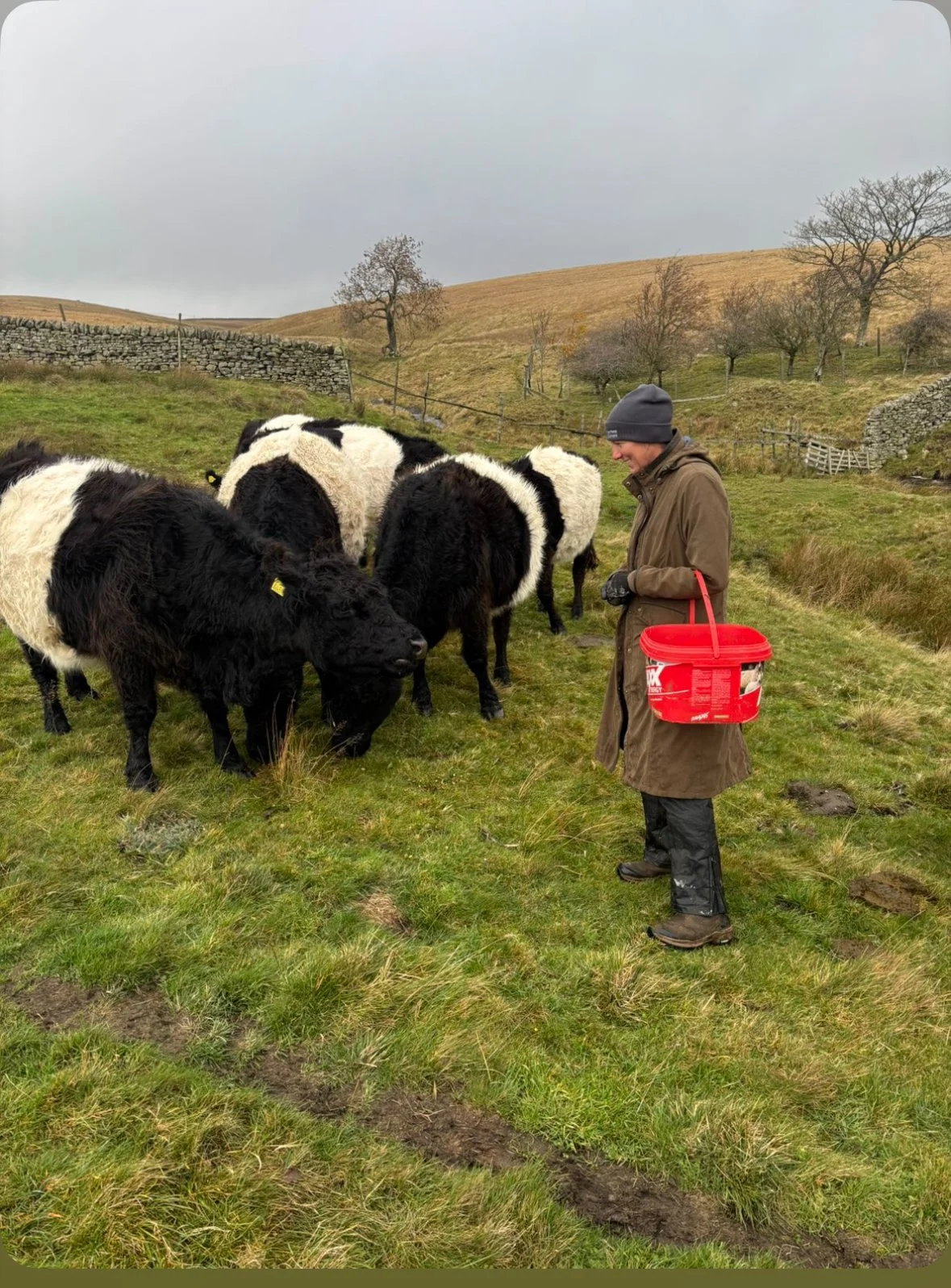
Belted Galloway
Belted Galloway cattle, or "Belties," originate from south-west Scotland and are known for their distinctive white belt around their black, dun, or red bodies. Their thick double coat helps them thrive in harsh, cold climates and rough grazing areas. Raised mainly for beef, their meat is tender, flavorful, and lean with good marbling. Belties are hardy, low maintenance, and easy to handle, making them ideal for small farms. Their grazing promotes biodiversity, supporting a variety of plant species. Overall, Belted Galloways are a resilient breed valued for quality beef and environmental benefits.
-

The Tups
Tups are essential to maintain and improve the flock's genetic quality. They are used for breeding to ensure strong, healthy offspring with desirable traits such as good wool production, body conformation, and disease resistance. Introducing tups allows us to control the lineage and avoid inbreeding, promoting overall flock vitality and productivity. Their presence supports sustainable farming practices by enhancing the quality and value of the sheep stock over time.
-
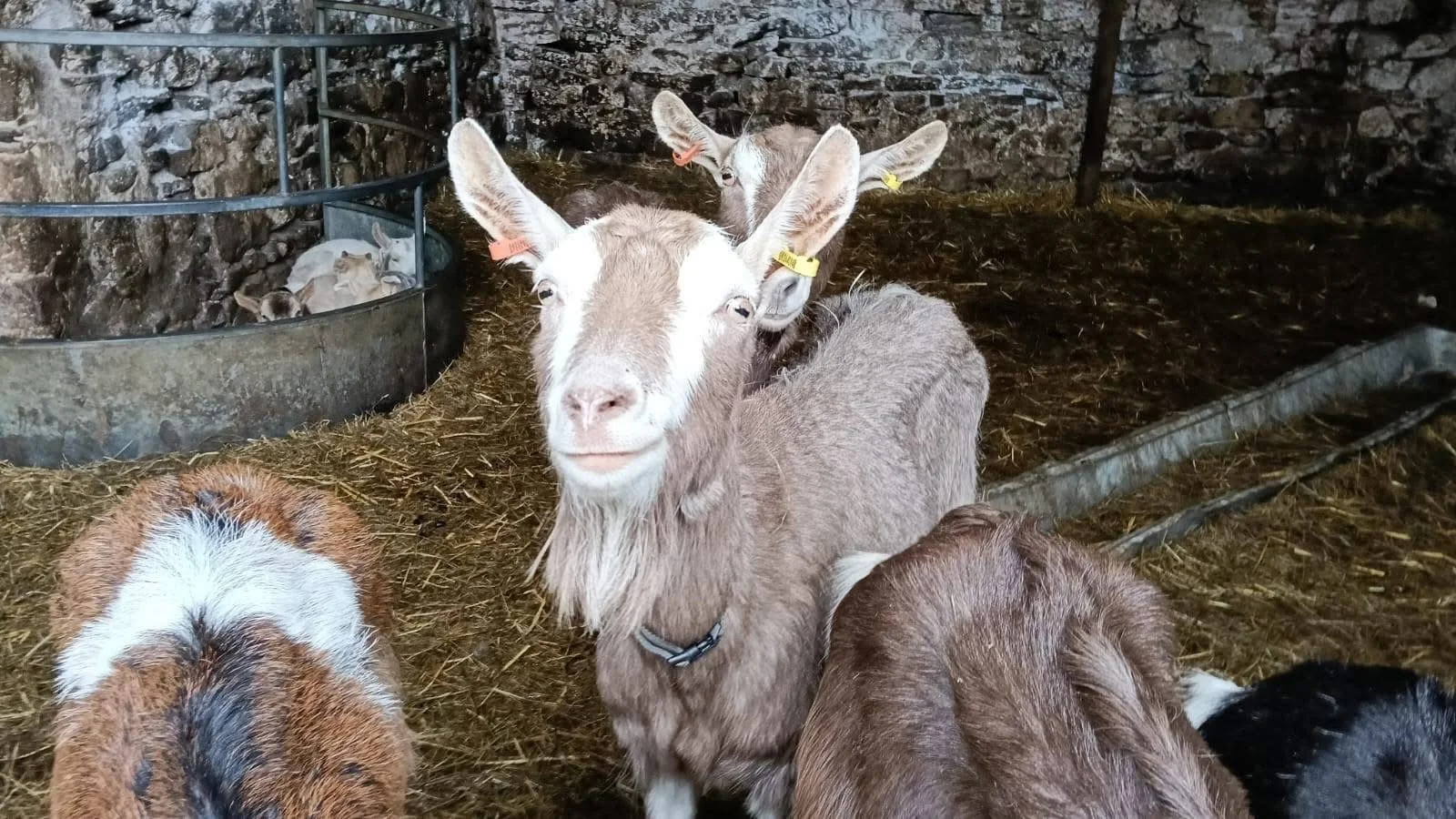
Goats
Milkshake and Choco
These are Toggenburg goats, a breed known for their distinctive colour and excellent milk production. Originating from the Toggenburg Valley in Switzerland, they feature a medium-sized frame with a soft fawn to chocolate brown coat, accented by white markings on the face, legs, and tail. Renowned for their hardiness and adaptability, Toggenburg goats are valued at Bowlees Education Farm for both their educational role and their steady milk yield.
-

The Dogs
Working sheepdogs play a vital role in traditional farming, especially in sheep-grazing areas. Breeds like the Border Collie, Welsh Sheepdog, and Old English Sheepdog are common, with the Border Collie noted for intelligence and agility. These dogs respond to whistles, voice, and hand signals to herd sheep efficiently and calmly. Using a focused “eye” to control sheep, they reduce animal stress and improve flock management. Training starts young, focusing on obedience, boundary work, and herding skills, building a strong partnership with the handler. Sheepdogs also participate in trials and competitions, preserving traditional farming skills and showcasing their importance in agricultural heritage.
-
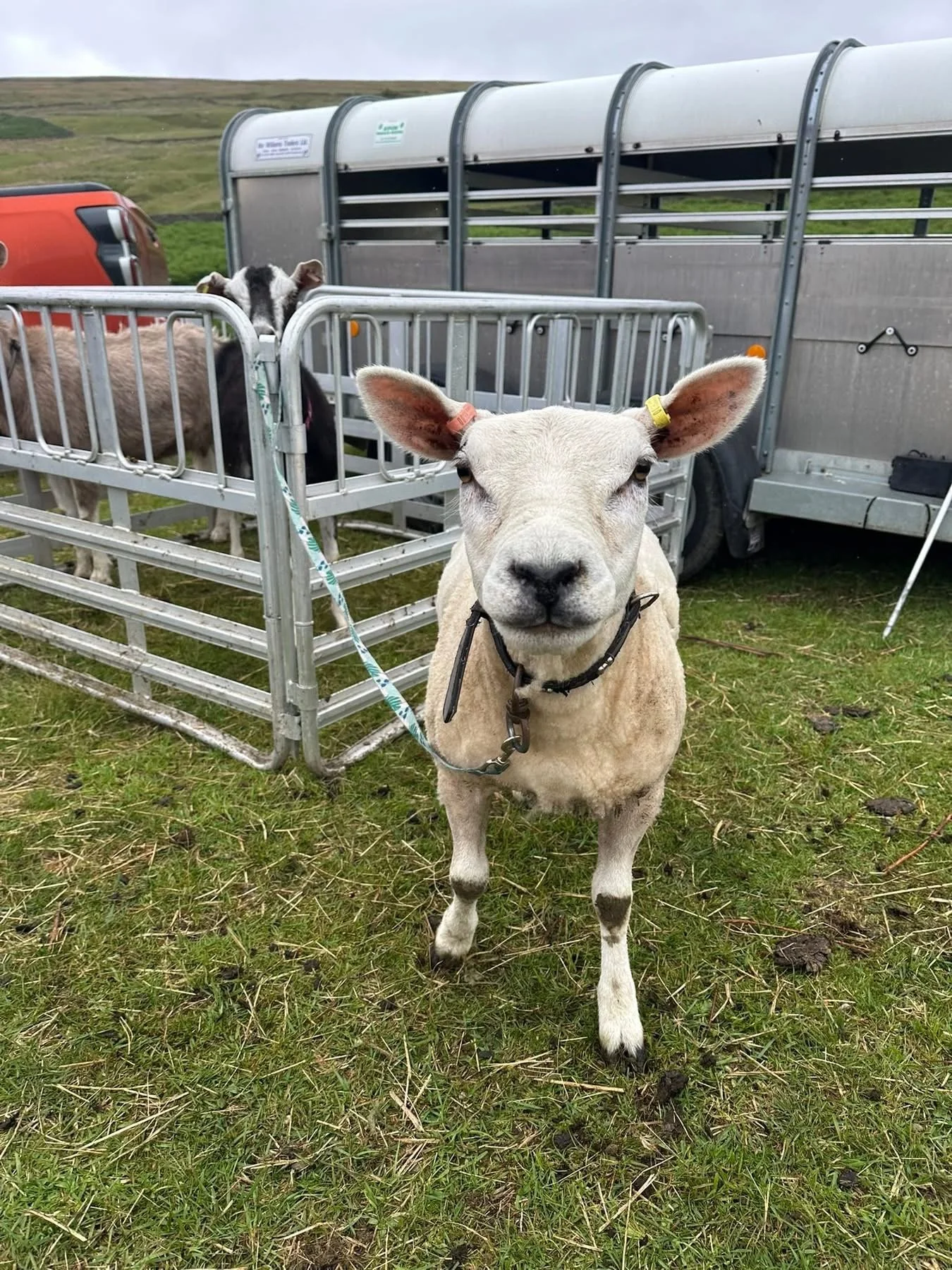
Pet Sheep Tina Tuner
Pet sheep are gentle, intelligent companions suited for families or educational farms, given enough space and care. They need secure outdoor areas with shelter, and it’s best to keep at least two to avoid loneliness. Regular grooming, annual shearing, and health checks are essential. Their diet requires quality grass or hay, mineral supplements, and constant clean water. Enrichment helps keep them mentally active. Though low-maintenance, sheep need commitment and proper handling to thrive as affectionate pets. With suitable care, they can be rewarding additions to homes or farms.
-
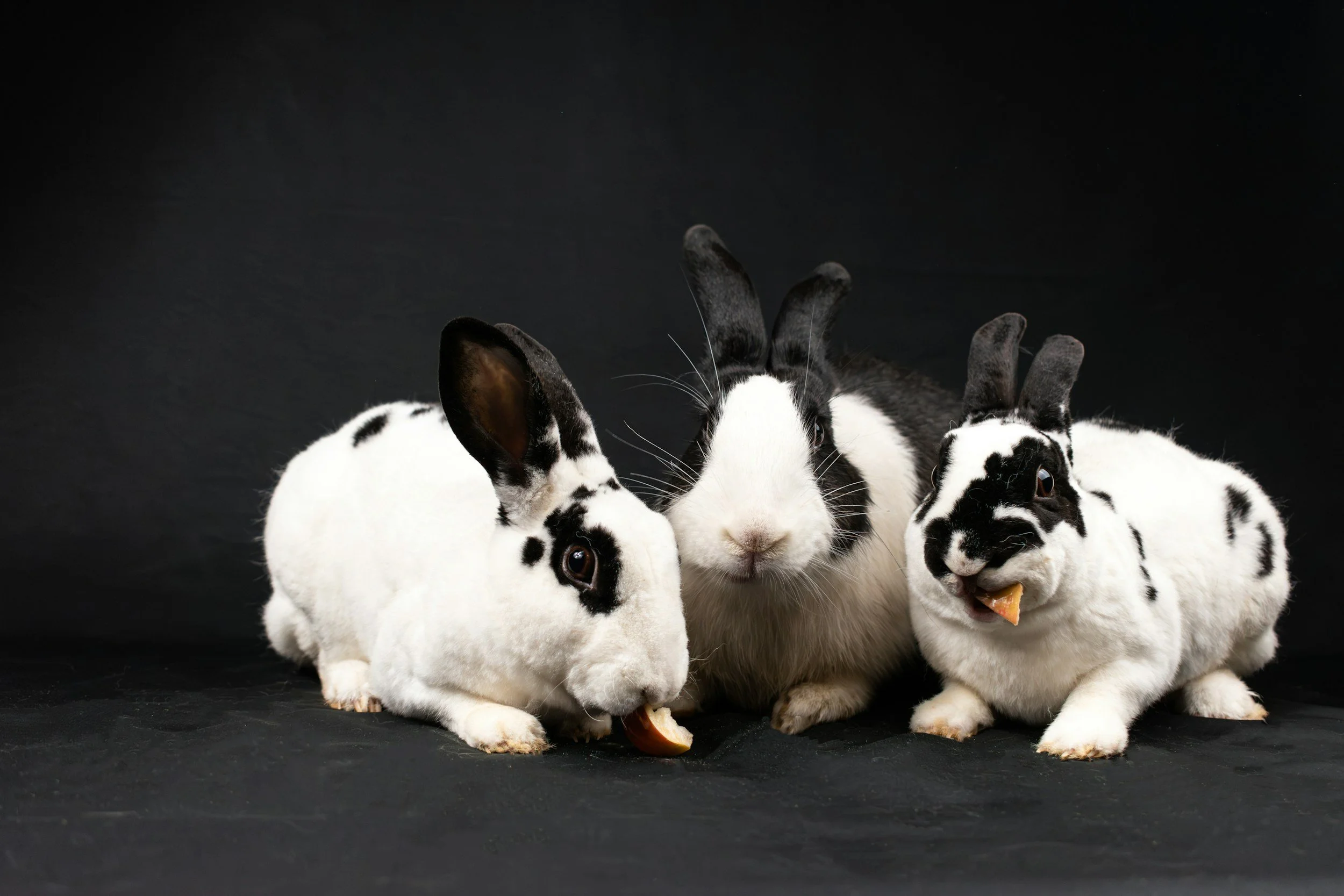
Rabbits
Pet rabbits are gentle companions needing a calm, clean space with a spacious hutch or indoor area for exercise. Their diet is mostly fresh hay, vegetables, limited pellets, and fresh water. Handle them gently to build trust and prevent injury. They thrive with a neutered or spayed companion. Regular grooming and health checks prevent issues. Toys and safe exploration keep them mentally active. Rabbits live 8–12 years, requiring a long-term commitment.
-

Horses
Now horses are just a hobby when i have time, but its lovely to ride around the stock on an evening checking everything is ok.
-
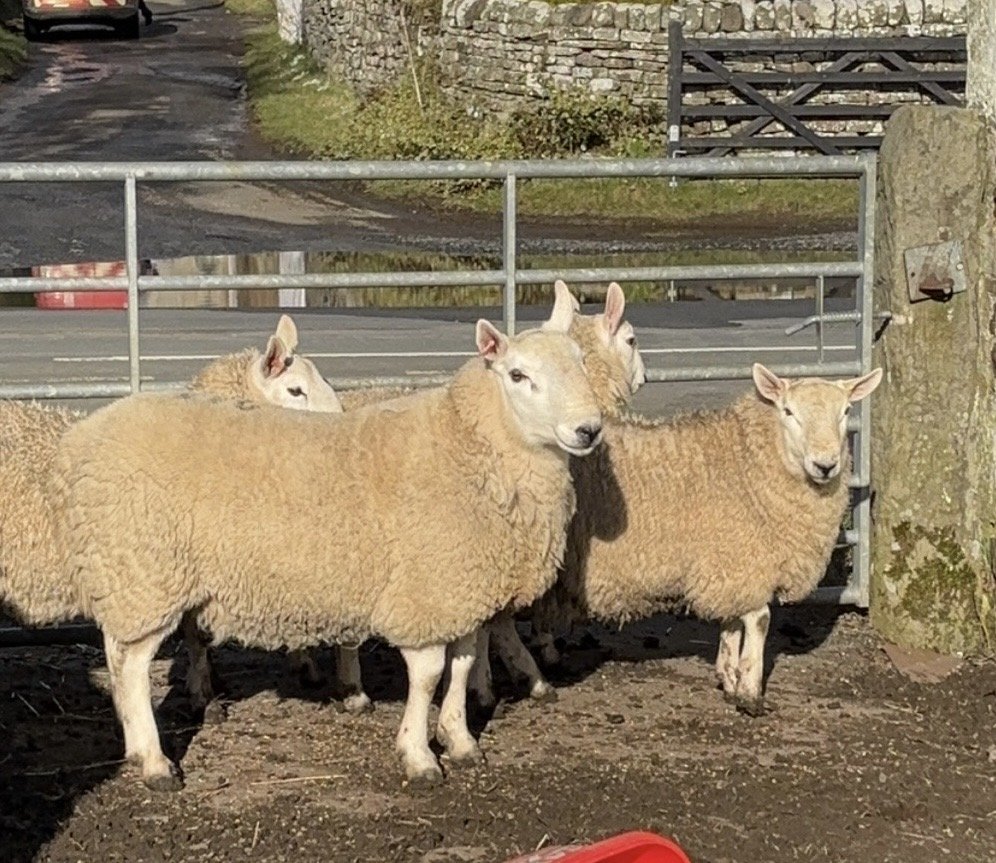
Cheviots
Cheviot sheep, from the Cheviot Hills on the England-Scotland border, are hardy with white faces and erect ears. They thrive in rough terrain and harsh weather, producing dense wool valued for tweed. Raised mainly for lean, flavorful meat, Cheviots are known for good mothering and easy lambing, making them ideal for upland farming.
-
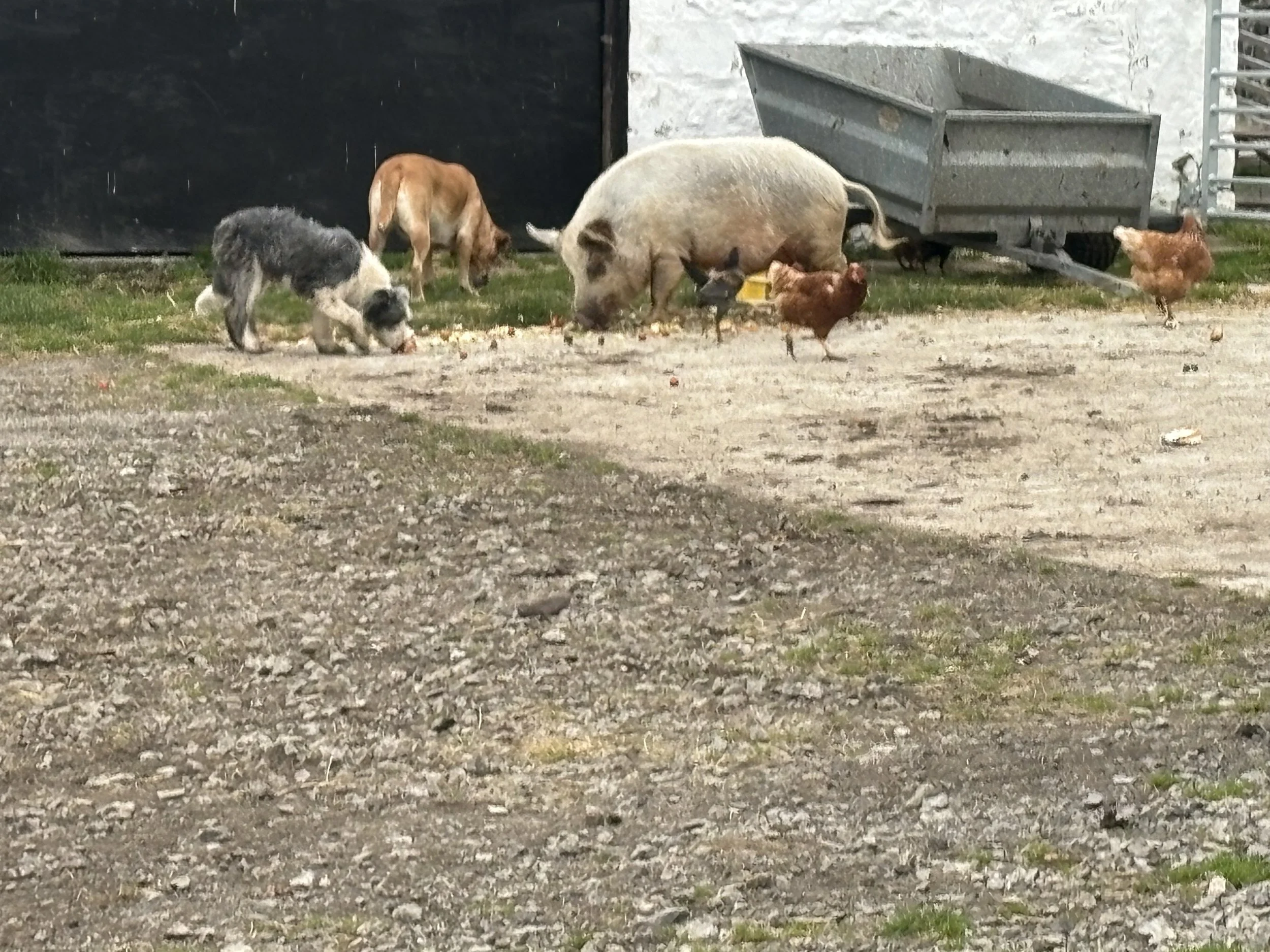
Reggie
Kune Kune x Pot Belly pig crossbreed, combining the Kune Kune's calm grazing with the Pot Belly’s small size and friendly nature. Visitors learn about pig breeding, behavior, and care through hands-on feeding, health checks, and habitat maintenance. Programs teach genetics, animal husbandry, and sustainable farming. This interactive experience promotes respect for responsible farming and environmental care, enriching knowledge of agriculture and rural life.
-

Goat walking
our beautiful well trained (most the time) goat loves to go on a walk around the fields.